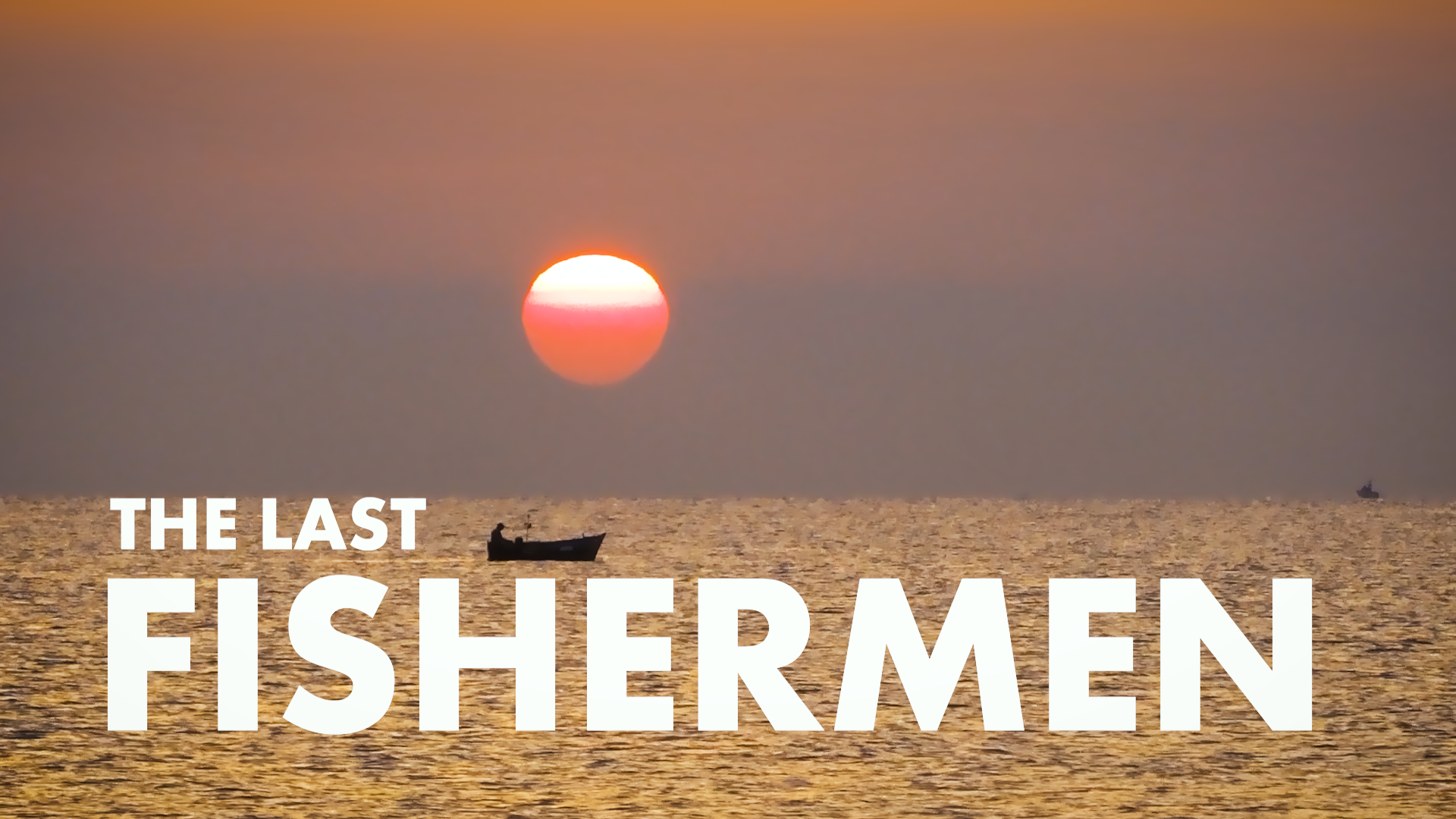
SUPPORT THE LAST FISHERMEN
What you are about to support is a world that is disappearing.
I have been observing and documenting it for twenty years.
Help me keep it alive.
I have been observing and documenting it for twenty years.
Help me keep it alive.
Quello che stai per sostenere è un mondo che sta scomparendo.
Da vent'anni lo osservo e lo documento.
Aiutami a tenerlo in vita.
Da vent'anni lo osservo e lo documento.
Aiutami a tenerlo in vita.
Secure payment by card. No account required.
Pagamento sicuro con carta. Non è necessario registrarsi.
Pay what you want.
Dona quanto vuoi.
You support the project in a simple way.
Supporta il progetto in maniera semplice.
You contribute to the project’s journey and its dissemination.
Contribuisci al percorso e alla diffusione del lavoro.
You become an active part of this work, helping it exist over time.
Diventi parte attiva di questo lavoro, contribuendo a farlo esistere nel tempo.
You support the full journey of the project, helping it reach an international audience.
Sostieni il percorso completo del progetto, aiutandolo a raggiungere un pubblico internazionale.
Introduction / Introduzione
In Mola di Bari, a fishing tradition dating back centuries is slowly disappearing. The fishermen who once sailed to distant seas are vanishing, taking with them a knowledge built through hands, gestures, and an instinct to read the sea better than any map.
The Last Fishermen is a project aimed at preserving this memory, telling these lives and passing on a knowledge that would otherwise be lost forever.
A Mola di Bari, una tradizione millenaria sta lentamente scomparendo. I pescatori che un tempo solcavano i mari lontani stanno per sparire insieme al loro sapere antico, fatto di gesti, mani e occhi capaci di leggere il mare meglio di qualsiasi carta nautica.
The Last Fishermen è un progetto che vuole preservare questa memoria, raccontare queste vite e tramandare una conoscenza che altrimenti andrebbe persa per sempre.
Photographic Reportage / Reportage fotografico
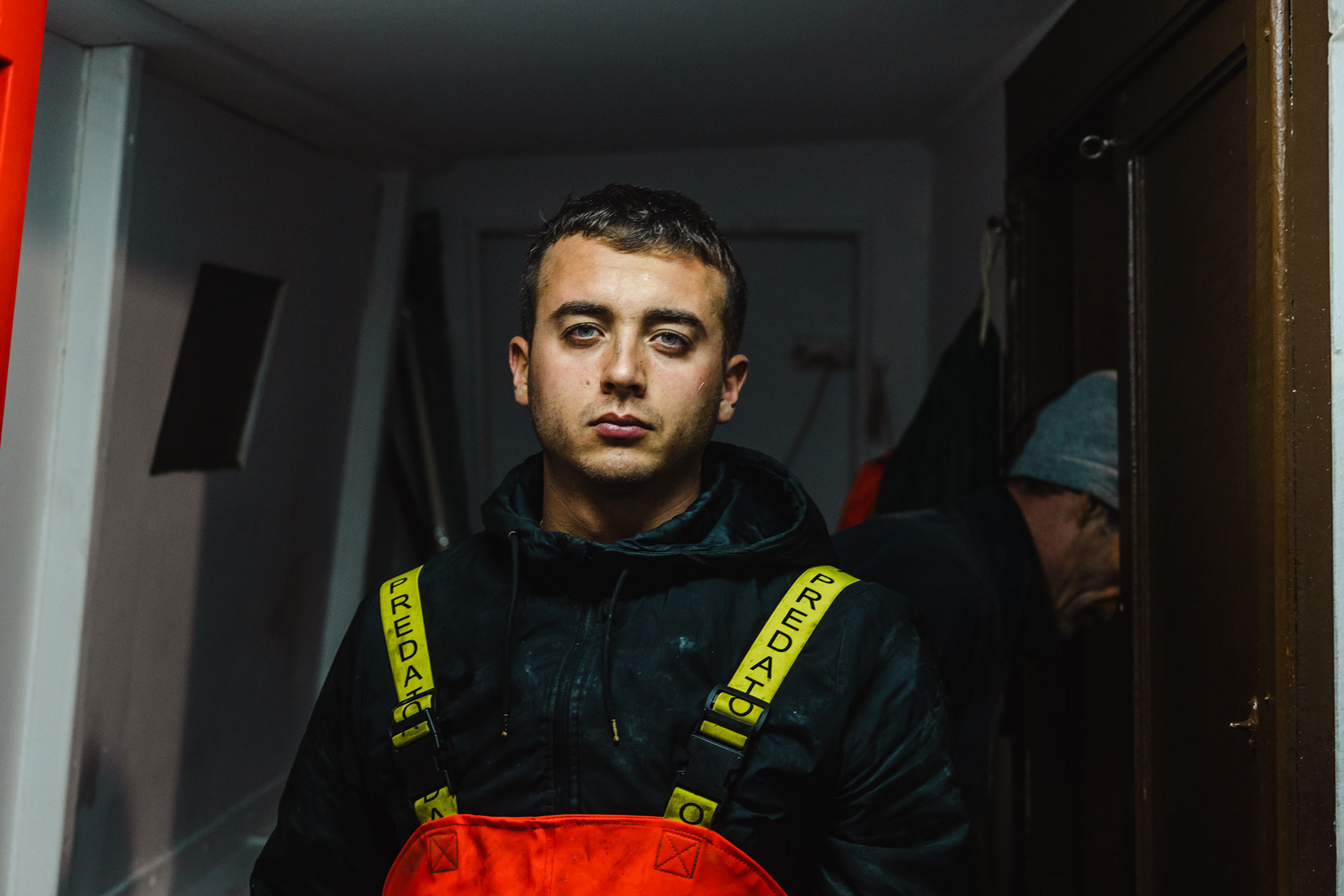
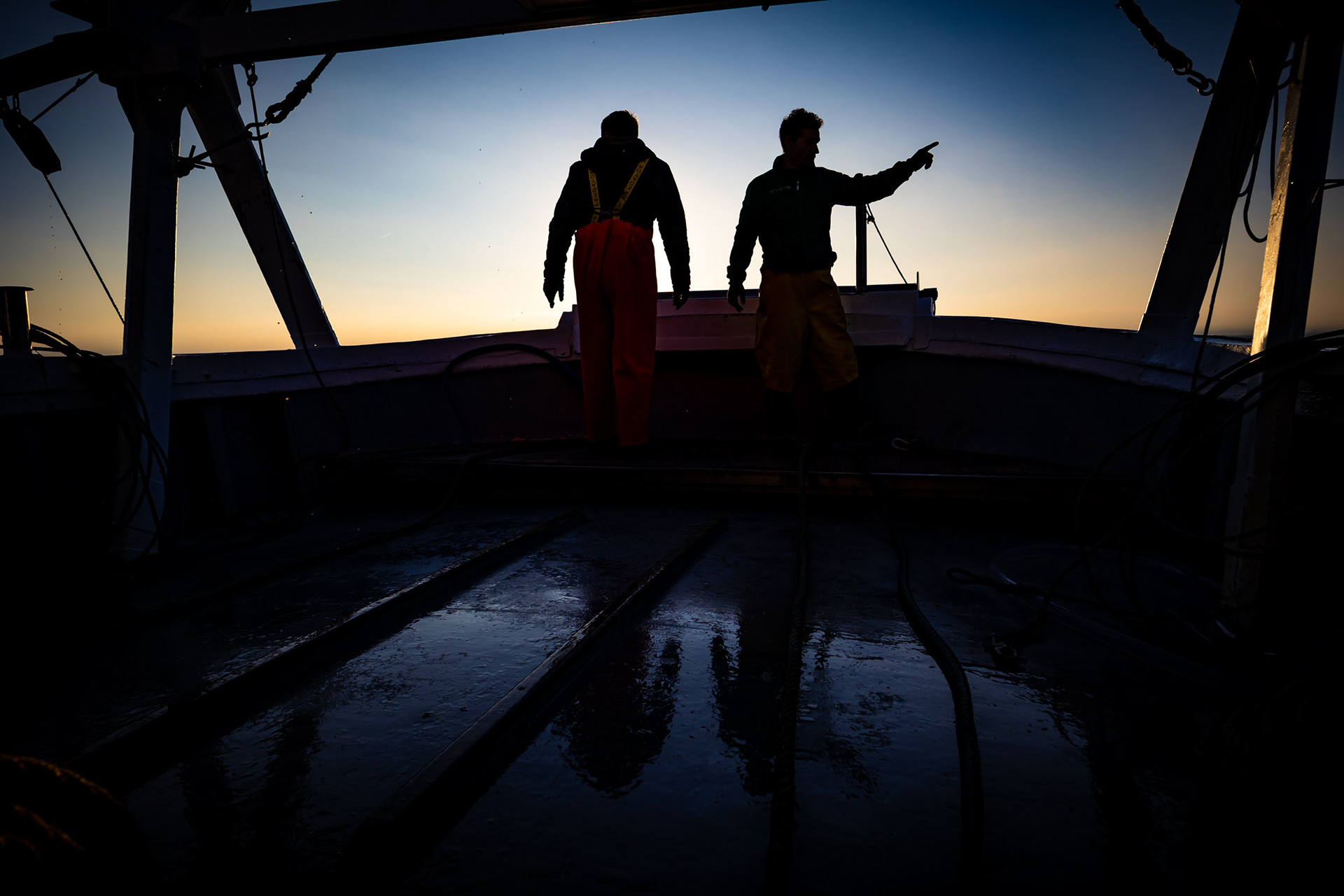
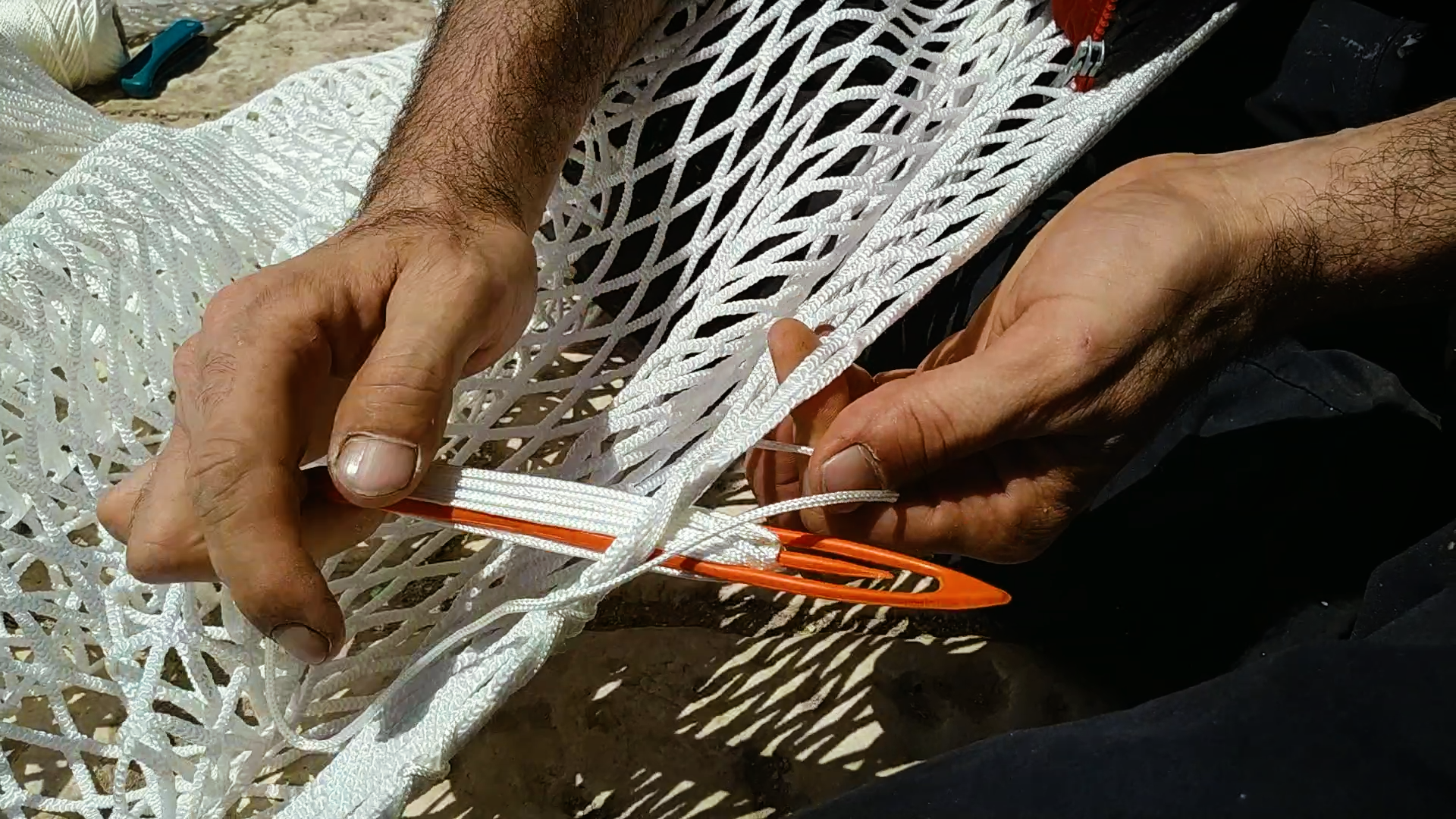
The photographic reportage grew from over a decade of constant observation at the port of Mola di Bari. Joe Pansa patiently documented the daily gestures of the fishermen: the maintenance of fishing vessels in shipyards, nets mended by hand on the docks, nights spent at sea during trawling, and the fish markets at dawn.
Each image does more than capture a moment—it preserves an entire universe of knowledge passed down through centuries: the ability to read the sky, currents, and winds; hands that anticipate the sea as if its laws were inscribed in the body and instinct. What is disappearing is not merely a profession—it is a physical and intuitive wisdom, built on the deck of a boat, day after day, father to son, never recorded in books or classrooms.
The reportage captures faces, stories, and rituals, portraying men who age before the camera and others who are no longer with us. It is a living archive, built slowly, with familiarity, trust, and respect: each photograph is the result of years spent observing, sharing moments, and understanding the rhythms of the port and its people.
Il reportage fotografico nasce da oltre un decennio di osservazione e presenza costante al porto di Mola di Bari. Joe Pansa ha documentato con pazienza i gesti quotidiani dei pescatori: la manutenzione dei pescherecci nei cantieri navali, le reti riparate a mano sul molo, le notti trascorse in mare durante la pesca a strascico, i mercati del pesce illuminati dalle prime luci dell’alba.
Ogni immagine non racconta solo un momento, ma un intero universo di conoscenze tramandate da secoli: l’abilità di leggere il cielo, le correnti e i venti, il modo in cui le mani sanno anticipare il mare, come se le leggi della natura fossero scolpite nel corpo e nell’istinto. Quello che sta scomparendo non è soltanto un mestiere: è una sapienza fisica e intuitiva che si costruisce sul ponte di una barca, giorno dopo giorno, figlio dopo figlio, senza mai entrare in libri o aule scolastiche.
Il reportage documenta volti, storie, rituali, catturando uomini che stanno invecchiando davanti all’obiettivo e altri che non ci sono più. È un archivio vivo, costruito lentamente, fatto di familiarità, fiducia e rispetto: ogni fotografia è il frutto di anni passati a osservare, condividere momenti, capire i ritmi del porto e delle persone che lo abitano.
Documentary / Documentario
The documentary The Last Fishermen was born spontaneously from footage accumulated between 2012 and 2026. What began as a personal archive of images and video gradually became, almost poetically, a film that observes and preserves, without judging, explaining, or proposing solutions: a silent witness to a world at risk of vanishing.
The film follows the fishermen’s lives in every detail: from the maintenance of boats in the shipyards to the repair of nets during long nights at sea, from the fish markets at dawn to the most intimate moments of port life. Through the lens, the fishermen become custodians of an ancient memory, a millennial knowledge composed of concrete gestures, attentive gazes, and hands that can read the sea better than any nautical chart.
Mola di Bari, a fishing village since the Middle Ages, is the beating heart of the documentary. Amid the roar of the waves and the silence of the shipyards, it tells the slow disappearance of a living culture: reduced fleets, aging crews, and knowledge passed down that risks vanishing with the last fisherman. The documentary conveys not only images and sounds, but the memory of a world that has endured for centuries and now needs to be preserved, for what is not witnessed and shared risks being lost forever.
Il documentario The Last Fishermen nasce spontaneamente dal materiale accumulato tra il 2012 e il 2026. Quello che all’inizio era un archivio personale di immagini e video si è trasformato, quasi per necessità poetica, in un film che osserva e conserva, senza giudicare, senza spiegare, senza proporre soluzioni: un testimone silenzioso di un mondo che rischia di scomparire.
Il film segue la vita dei pescatori in ogni dettaglio: dalla manutenzione delle barche nei cantieri navali alla riparazione delle reti durante le lunghe notti in mare, dai mercati all’alba fino ai momenti più intimi della vita quotidiana dei porti. Attraverso l’obiettivo, i pescatori diventano custodi di una memoria antica, di un sapere millenario fatto di gesti concreti, di sguardi attenti, di mani che sanno leggere il mare meglio di qualsiasi carta nautica.
Mola di Bari, borgo di pescatori fin dal Medioevo, è il cuore pulsante del documentario. Qui, tra il fragore delle onde e il silenzio dei cantieri, si racconta la lenta scomparsa di una cultura viva: flotte ridotte, equipaggi sempre più anziani, conoscenze tramandate che rischiano di estinguersi con l’ultimo dei pescatori. Il documentario restituisce non solo immagini e suoni, ma la memoria di un mondo che ha resistito per secoli e che ora chiede di essere preservato, perché ciò che non viene testimoniato e condiviso rischia di scomparire per sempre.
Why support / Perché supportare
Supporting this project means contributing to the preservation of a cultural memory that cannot be reconstructed once lost.
Sostenere questo progetto significa contribuire alla preservazione di una memoria culturale che, una volta persa, non può essere ricostruita.
Your contribution will be invaluable because it will help to:
Continue the long-term documentary work on Mediterranean fishermen
Bring this work to international contexts such as contests and festivals
Produce signed limited-edition prints, which will be distributed to the most generous supporters
Build an archive for future generations
Il tuo contributo sarà prezioso perché:
Proseguire il lavoro documentario a lungo termine sui pescatori del Mediterraneo
Portare questo lavoro in contesti internazionali come Contest e Festival dedicati
Produrre stampe in edizione limitata firmate che saranno distribuite ai donatori più generosi
Costruire un archivio per le generazioni future
If you would like to support this project, you can make a donation using the buttons above.
Even a small contribution makes a difference.
Even a small contribution makes a difference.
Se desideri sostenere questo progetto, puoi fare una donazione tramite i pulsanti qui sopra.
Anche un piccolo contributo fa la differenza.
Anche un piccolo contributo fa la differenza.
A part of this work will remain out of the public eye and will be accessible to the most generous supporters.
Una parte del lavoro resterà fuori dallo sguardo pubblico e sarà accessibile ai sostenitori più generosi.